
Toyota Tacoma vs Tundra: A Size Showdown
When it comes to the world of pickups, the Toyota Tacoma and Tundra stand out as two formidable contenders, each catering to different needs within the truck segment. The Tacoma is classified as a midsize pickup, while the Tundra falls into the full-size category. This distinction in size is not just a matter of inches; it fundamentally influences the driving experience, cargo capacity, and overall utility of each vehicle. For prospective buyers, the dilemma often boils down to balancing budget constraints, family requirements, and driving conditions.
The Buyer’s Dilemma
Choosing between the Tacoma and Tundra can feel like a high-stakes game of tug-of-war. On one hand, you have the Tacoma, which is ideal for those who prioritize maneuverability and fuel efficiency. It’s perfect for city dwellers or weekend adventurers who need a truck that can easily navigate tight spaces and handle off-road trails without breaking the bank at the gas pump.
On the other hand, the Tundra offers a larger frame and more powerful engine options, making it a go-to choice for those who need to haul heavy loads or transport larger families. If you’re frequently towing trailers or need a truck that can handle the demands of a construction site, the Tundra might be the better fit.
Budget Considerations
Budget plays a crucial role in this decision-making process. The Tacoma generally comes with a lower starting price, making it a more accessible option for first-time truck buyers or those looking to save some cash. However, if you have a bigger budget and require the additional space and power that the Tundra provides, it could be worth the investment in the long run.
Family Needs
Family needs also weigh heavily on the decision. If you’re frequently carting around kids, pets, or gear, the Tundra’s spacious interior and larger cab options can be a game-changer. Conversely, if you’re a solo adventurer or a couple looking for a reliable vehicle for weekend getaways, the Tacoma’s compact size may suit your lifestyle better.
Driving Conditions
Lastly, consider your typical driving conditions. If you often find yourself navigating urban environments or narrow country roads, the Tacoma’s smaller footprint can be a blessing. But if your daily grind involves highways or rugged terrain, the Tundra’s robust build and larger wheelbase provide stability and confidence.
In summary, whether you lean towards the Tacoma or the Tundra will depend on a mix of your lifestyle needs, budget, and driving habits. Each truck has its strengths, and understanding these can help you make an informed choice that fits your life like a glove.
Comparing Size: Toyota Tacoma vs Tundra
When it comes to size, the Toyota Tacoma and Tundra are worlds apart, each designed with different purposes in mind. Let’s break down how they stack up against each other across several key categories: exterior design, interior and comfort, performance, safety features, and technology.
Exterior Design
The exterior design of both trucks reflects their intended use and target audience.
- Tacoma:
- Compact and rugged, designed for off-road adventures.
- Features a more aggressive front grille and muscular fenders.
- Available in various trims that enhance its sporty appeal.
- Tundra:
- Bold and imposing, designed to make a statement on the road.
- Wider stance and larger dimensions give it a more substantial presence.
- Offers a range of luxury trims that elevate its upscale look.
Interior and Comfort
Interior space and comfort are crucial for any pickup, especially if you plan to spend a lot of time behind the wheel.
- Tacoma:
- Cab options include Access Cab and Double Cab, providing flexibility.
- Seats are generally supportive but can feel a bit cramped for taller drivers.
- Interior materials are durable but lean towards the utilitarian side.
- Tundra:
- Available in Regular, Double, and CrewMax cabs, offering spacious seating.
- More luxurious interior options with higher-quality materials.
- Roomy rear seats in CrewMax models make it family-friendly.
Performance
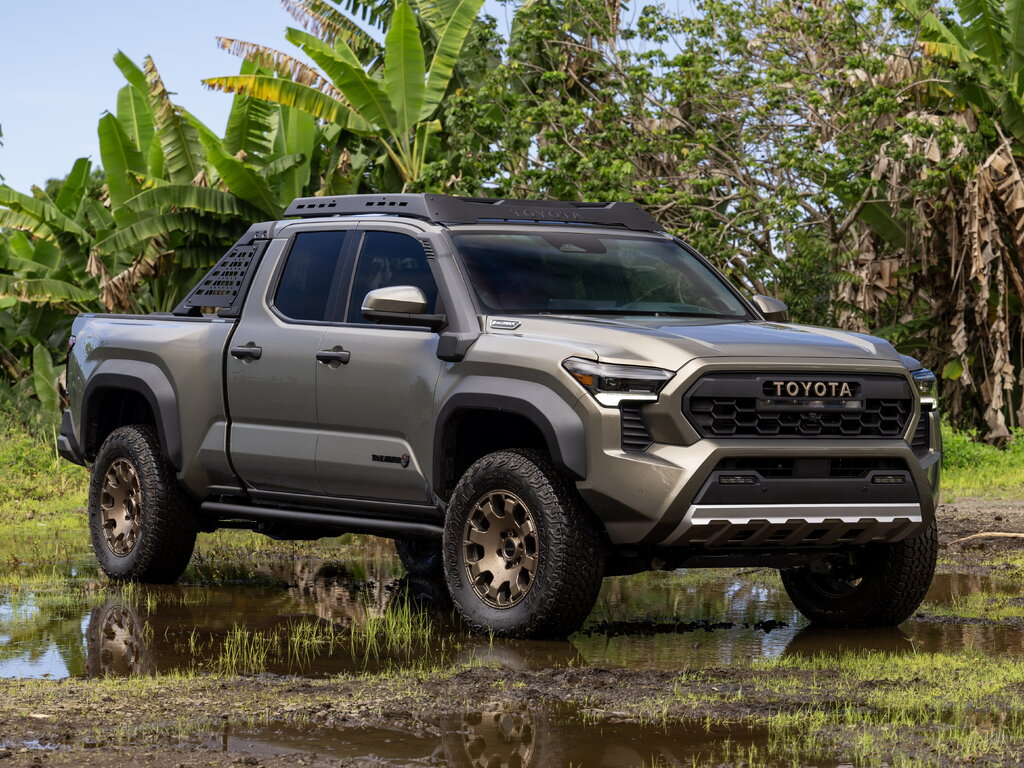
Performance is a critical aspect that can make or break your driving experience, especially when it comes to hauling and towing.
- Tacoma:
- Offers a choice of four-cylinder and V6 engines, with the V6 providing decent power.
- Designed for off-road capability with features like crawl control and multi-terrain select.
- Generally more fuel-efficient, making it a better option for daily driving.
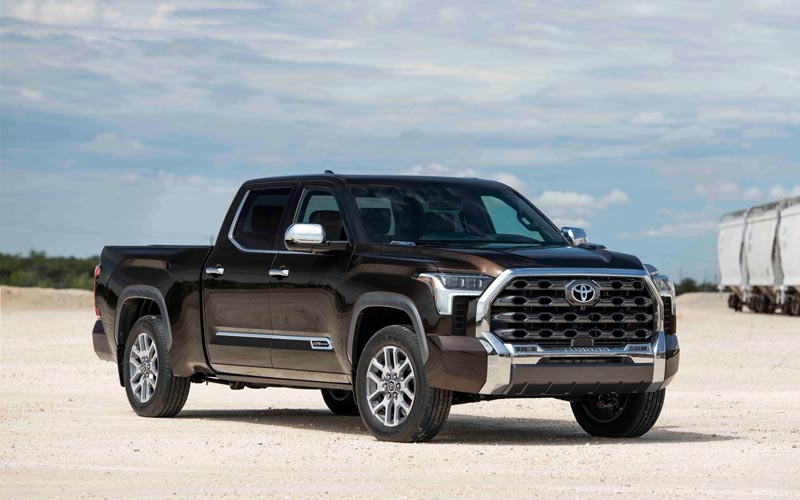
- Tundra:
- Equipped with a powerful V8 engine, delivering robust towing capacity.
- Handles heavy loads with ease, making it ideal for work-related tasks.
- Stability and control are enhanced with a larger frame and suspension setup.
Safety Features
Safety should always be a priority when choosing a vehicle, and both trucks come equipped with various safety features.
- Tacoma:
- Comes standard with Toyota Safety Sense, including pre-collision systems.
- Smaller size can make it easier to maneuver in tight spaces, potentially reducing accident risk.
- Good crash test ratings, but may lack some advanced features found in larger vehicles.
- Tundra:
- Also includes Toyota Safety Sense, with additional features like adaptive cruise control.
- Larger size may offer more protection in the event of a collision.
- Advanced safety features available in higher trims, enhancing overall safety.
Technology
In today’s digital age, technology is a significant consideration for many buyers.
- Tacoma:
- Standard infotainment system includes a touchscreen, Bluetooth, and smartphone integration.
- Available features like navigation and premium audio systems enhance the experience.
- Generally more straightforward, focusing on functionality over luxury.
- Tundra:
- Offers a more advanced infotainment system with larger touchscreens and better connectivity options.
- Available features include a premium sound system and advanced navigation.
- More tech options available in higher trims, catering to tech-savvy buyers.
In summary, the Tacoma and Tundra each have their own strengths and weaknesses when it comes to size and functionality. Understanding these differences can help you make an informed decision based on your specific needs.
Toyota Tacoma vs Tundra: Size Considerations in Reliability, Ownership Costs, and Resale Value
When weighing the differences between the Toyota Tacoma and Tundra, size isn’t the only factor to consider. Reliability, user reviews, ownership costs, and resale value play crucial roles in the decision-making process. Let’s dive into these aspects to see how each truck measures up.
Reliability and User Reviews
Reliability is one of the primary reasons many buyers choose Toyota vehicles. Both the Tacoma and Tundra have built a reputation for dependability, but there are nuances in user experiences.
Tacoma
- Generally regarded as a reliable midsize truck, with many owners reporting minimal issues over the years.
- Commonly praised for its off-road capabilities and durability, making it a favorite among adventure seekers.
- User reviews often highlight its compact size as a benefit for city driving and parking.
Tundra
- Also known for its reliability, particularly in heavy-duty applications and towing.
- Owners often commend its powerful engine and robust build, which contribute to long-term dependability.
- Some reviews point out that its larger size can make it less maneuverable in tight spaces, but this is often outweighed by its performance capabilities.
Ownership Costs
Understanding the ownership costs associated with each vehicle can significantly impact your long-term satisfaction and budget.
| Cost Category | Tacoma | Tundra |
|---|---|---|
| Fuel Economy | Generally better fuel efficiency, making it more economical for daily driving. | Less fuel-efficient due to its larger engine and size, leading to higher fuel costs. |
| Maintenance | Lower maintenance costs reported, with fewer issues arising over time. | Maintenance costs may be higher due to its larger size and more complex systems. |
| Insurance | Typically lower insurance premiums, appealing to budget-conscious buyers. | Higher insurance costs due to its larger size and higher value. |
Resale Value
Resale value is a crucial consideration for many buyers, especially if you plan to trade in or sell your truck down the line.
| Factor | Tacoma | Tundra |
|---|---|---|
| Depreciation Rate | Generally holds its value well, often outperforming competitors in the midsize segment. | Also maintains good resale value, but larger trucks can depreciate faster in some markets. |
| Market Demand | High demand for used Tacomas, especially among off-road enthusiasts. | Strong demand in the full-size truck market, particularly for towing and utility. |
| Typical Resale Price | Often commands a higher resale price compared to other midsize trucks. | Resale prices can be competitive, especially for well-maintained models. |
Both the Tacoma and Tundra have their unique advantages and considerations when it comes to reliability, ownership costs, and resale value. Understanding these factors will help you make a more informed decision based on your specific needs and lifestyle.
Facts About Toyota Tacoma vs Tundra Size
When comparing the Toyota Tacoma and Tundra, size plays a significant role in determining which model is best suited for different types of buyers. Here are some key facts and statistics to consider.
Dimensions
The size difference between the Tacoma and Tundra is notable and affects various aspects of their functionality.
Tacoma
– Length: Approximately 210.6 inches
– Width: About 74.4 inches
– Height: Roughly 70.6 inches
– Bed Length Options: 5-foot and 6-foot beds available
– Curb Weight: Ranges from 3,980 to 4,480 pounds depending on configuration
Tundra
– Length: Approximately 233.6 inches
– Width: About 79.9 inches
– Height: Roughly 75.6 inches
– Bed Length Options: 5.5-foot, 6.5-foot, and 8.1-foot beds available
– Curb Weight: Ranges from 4,400 to 5,700 pounds depending on configuration
Cargo Capacity
Cargo capacity is a crucial factor for buyers who need to haul equipment, tools, or recreational gear.
Tacoma
– Maximum Payload Capacity: Approximately 1,620 pounds
– Bed Volume: Around 43.6 cubic feet for the 5-foot bed and 54.0 cubic feet for the 6-foot bed
Tundra
– Maximum Payload Capacity: Approximately 2,300 pounds
– Bed Volume: Ranges from 51.0 cubic feet for the 5.5-foot bed to 77.4 cubic feet for the 8.1-foot bed
Seating and Interior Space
Interior space and comfort are essential for buyers who prioritize passenger capacity and comfort.
Tacoma
– Seating Capacity: Up to 5 passengers
– Rear Legroom: Approximately 32.6 inches in the Double Cab configuration
Tundra
– Seating Capacity: Up to 6 passengers in some configurations
– Rear Legroom: Approximately 40.3 inches in the CrewMax configuration
Suitability for Different Buyers
Based on the size and features of each model, here’s a summary of which type of buyer may prefer each truck.
| Buyer Type | Tacoma | Tundra |
|---|---|---|
| Urban Commuter | Ideal for city driving due to its smaller size and maneuverability. | Less suitable due to its larger footprint, making parking and navigation more challenging. |
| Off-Road Enthusiast | Perfect choice for off-road adventures with its compact design and rugged features. | Less focused on off-road capabilities, but can still handle rough terrain with the right configuration. |
| Family Hauler | Good for small families or couples needing a reliable vehicle for weekend trips. | Excellent choice for larger families requiring more passenger space and comfort. |
| Heavy Duty User | Suitable for light to moderate hauling and towing needs. | Best for those who require heavy-duty capabilities, such as towing trailers or transporting large loads. |
The differences in size and functionality between the Tacoma and Tundra cater to a variety of buyer needs, whether you are looking for a compact truck for city use or a full-size vehicle for heavy-duty tasks. Understanding these facts can help you make an informed decision based on your specific requirements.