
Toyota Sienna AWD vs FWD: A Buyer’s Dilemma
When it comes to family-friendly vehicles, the Toyota Sienna stands out in the minivan segment. Designed with spacious interiors and versatile seating arrangements, it caters to families, road-trippers, and anyone needing a reliable ride. However, the choice between all-wheel drive (AWD) and front-wheel drive (FWD) can leave potential buyers scratching their heads. This decision often boils down to a few key factors: budget, family needs, and driving conditions.
Understanding the Buyer’s Dilemma
For many, the choice between AWD and FWD isn’t just about personal preference; it’s about lifestyle. Families living in areas with harsh winters or frequent rain may lean towards AWD for the added traction and stability. On the other hand, those in milder climates might find FWD perfectly adequate for their daily commutes and weekend adventures.
Budget Considerations
Let’s face it: money talks. AWD models typically come with a higher price tag and can be more expensive to maintain. If you’re on a tight budget, opting for FWD might save you some cash upfront and at the pump. Fuel efficiency can be a game-changer for families looking to stretch their dollars further, especially when it comes to daily driving.
Family Needs
Consider your family’s unique requirements. Do you have young kids who need easy access to the back seats? Is cargo space a priority for those weekend getaways? Both AWD and FWD configurations offer ample room, but the driving dynamics can differ. AWD may provide a sense of security in adverse conditions, while FWD can be more straightforward to handle for everyday driving.
Driving Conditions
Driving conditions play a crucial role in this decision. If you frequently navigate snowy roads or rugged terrains, AWD can be a lifesaver. It enhances grip and control, making it easier to tackle challenging conditions. Conversely, if you primarily drive on well-maintained roads, FWD should suffice. It’s all about assessing your typical driving environment and choosing accordingly.
In summary, the choice between Toyota Sienna AWD and FWD is not merely a technical one; it’s a reflection of your lifestyle, budget, and driving habits. Each option has its merits, and understanding these can help you make the right decision for your family.
Comparing Toyota Sienna AWD vs FWD
When it comes to choosing between the Toyota Sienna AWD and FWD, several key categories come into play. Each configuration has its own strengths and weaknesses, and understanding these can help you make an informed decision. Let’s break it down across exterior design, interior and comfort, performance, safety features, and technology.
Exterior Design
The exterior design of the Toyota Sienna is modern and appealing, regardless of whether you opt for AWD or FWD. However, there are subtle differences that may catch your eye.
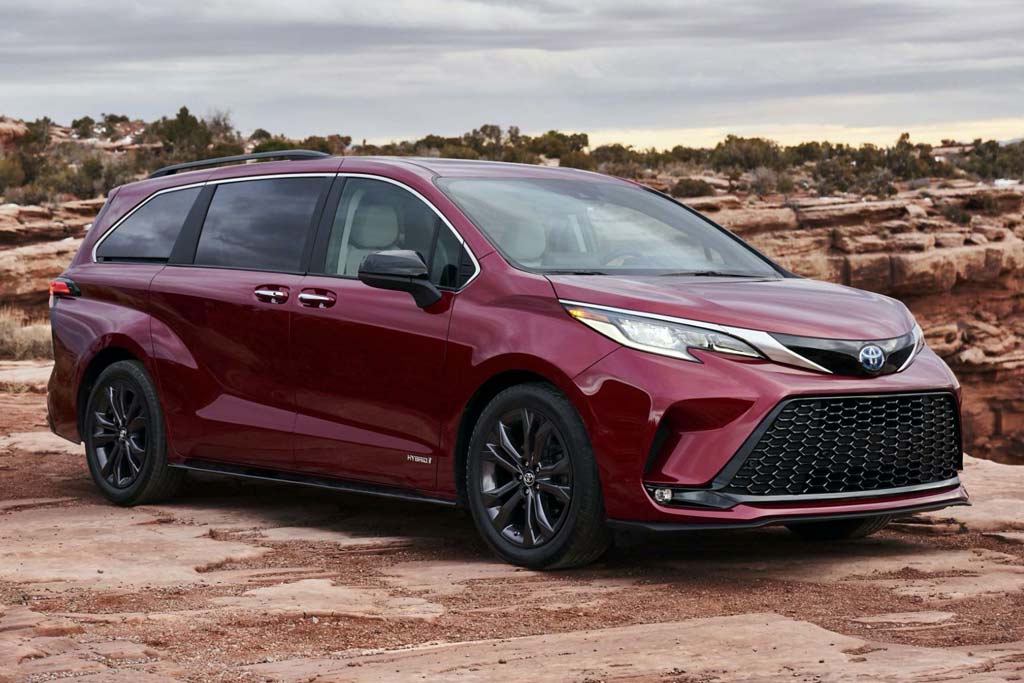
- AWD: The AWD models often feature a more rugged appearance, with slightly more aggressive styling cues. This can include a more pronounced front fascia and additional cladding that hints at its off-road capabilities.
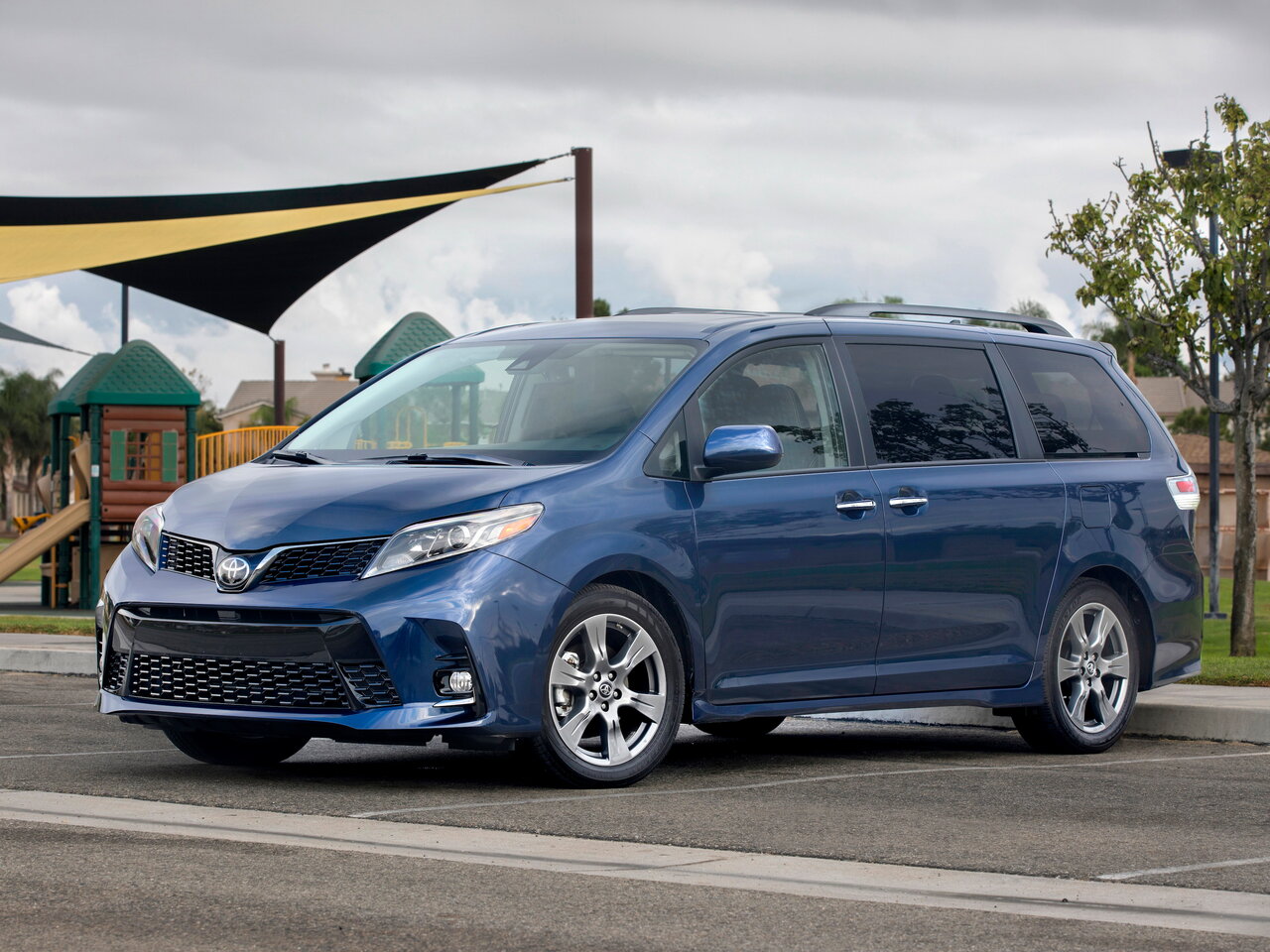
- FWD: The FWD variants maintain a sleek and streamlined look, focusing more on aerodynamics. This design can contribute to better fuel efficiency, making it a practical choice for daily driving.
Both configurations come with stylish LED headlights and a variety of color options, but the AWD’s rugged look may appeal more to those who want a vehicle that can handle tough conditions.
Interior and Comfort
Step inside, and the Sienna impresses with its spacious and versatile interior. However, there are some differences worth noting.
- AWD: The AWD version may offer slightly different seating configurations to accommodate the drivetrain. However, it still boasts ample legroom and headroom, making long trips comfortable for the whole family.
- FWD: The FWD model is designed with family-friendly features, including easy-access sliding doors and a configurable seating layout. The interior materials are high-quality, providing a premium feel that enhances comfort.
Both models come equipped with multiple USB ports and ample storage compartments, ensuring that you have space for everything from snacks to sports gear.
Performance
Performance is where the AWD and FWD configurations really diverge.
- AWD: The AWD system provides enhanced traction and stability, especially in adverse weather conditions. This can be a significant advantage for those living in snowy or rainy climates. The handling is generally more robust, giving drivers confidence when navigating tricky terrains.
- FWD: The FWD model is typically lighter, which can result in better fuel economy. While it may not have the same level of traction in inclement weather, it is more than capable for everyday driving and highway cruising.
In terms of engine performance, both configurations share the same powertrain, so the driving experience will feel similar in terms of acceleration and responsiveness.
Safety Features
Safety is paramount for families, and both AWD and FWD versions of the Sienna come equipped with a suite of safety features.
- AWD: The added traction from the AWD system can enhance stability during emergency maneuvers, potentially reducing the risk of skidding. Both models come with Toyota’s Safety Sense suite, which includes:
- Pre-Collision System with Pedestrian Detection
- Dynamic Radar Cruise Control
- Lane Departure Alert with Steering Assist
- Automatic High Beams
- FWD: The FWD model also benefits from the same comprehensive safety features. It is equipped with multiple airbags and a robust frame designed to absorb impact, ensuring that your family is protected in case of an accident.
Both configurations score well in crash tests, making them reliable choices for safety-conscious buyers.
Technology
In today’s digital age, technology plays a significant role in the driving experience, and the Sienna doesn’t disappoint in either configuration.
- AWD: The AWD model includes a user-friendly infotainment system with a large touchscreen, smartphone integration, and navigation options. The sound system is typically upgraded for a more immersive audio experience.
- FWD: The FWD version offers similar tech features, ensuring that families stay connected on the road. Both models support Apple CarPlay and Android Auto, making it easy to access your favorite apps and music.
In both cases, the technology is designed to enhance convenience and entertainment, making long drives more enjoyable for passengers of all ages.
In summary, while both the Toyota Sienna AWD and FWD share many similarities, they cater to different needs and preferences. Whether you prioritize rugged performance or fuel efficiency, understanding these differences will help you choose the right configuration for your lifestyle.
Toyota Sienna AWD vs FWD: Reliability, Ownership Costs, and Resale Value
When considering the Toyota Sienna, two important factors that often weigh heavily on buyers’ minds are reliability and ownership costs. Additionally, resale value is a crucial aspect that can impact your long-term investment. Let’s dive into these categories to see how the AWD and FWD models stack up against each other.
Reliability and User Reviews
Reliability is a cornerstone of the Toyota brand, and the Sienna is no exception. Both AWD and FWD configurations have garnered positive feedback from owners, but there are nuances worth noting.
Reliability Ratings
Toyota vehicles are known for their durability and long lifespan. The Sienna consistently ranks high in reliability surveys, with both AWD and FWD versions receiving accolades. Here’s how they compare:
| Model | Reliability Rating (out of 10) | User Reviews |
|---|---|---|
| Sienna AWD | 9 | Owners praise its stability in adverse conditions and overall dependability. |
| Sienna FWD | 9 | Users appreciate its smooth ride and low maintenance needs. |
Both models have a reputation for requiring minimal repairs, making them a solid choice for families looking for a dependable vehicle.
User Experiences
User reviews often highlight specific experiences that can guide potential buyers:
- AWD: Many owners report feeling more secure during winter months, citing improved traction and control. They appreciate the peace of mind that comes with driving an AWD vehicle in challenging weather.
- FWD: Users often mention the ease of handling and maneuverability, especially in urban settings. The FWD model is frequently praised for its fuel efficiency, making it a favorite for daily commutes.
Overall, both configurations maintain a strong reputation for reliability, with users generally satisfied with their purchases.
Ownership Costs
Understanding the ownership costs associated with the Toyota Sienna is crucial for budgeting. This includes factors like fuel efficiency, maintenance, and insurance.
Fuel Efficiency
While both AWD and FWD models share the same engine, their fuel efficiency can differ slightly due to the drivetrain.
| Model | Estimated MPG (City) | Estimated MPG (Highway) |
|---|---|---|
| Sienna AWD | 19 | 26 |
| Sienna FWD | 20 | 28 |
As shown, the FWD model generally offers better fuel economy, which can lead to lower overall ownership costs over time.
Maintenance and Repairs
Both configurations are designed to be low-maintenance, but there are some distinctions:
- AWD: While the AWD system adds complexity, it is generally reliable. However, repairs may be slightly more expensive due to the additional components involved.
- FWD: With a simpler drivetrain, the FWD model may incur lower repair costs. Routine maintenance is straightforward and typically less costly.
Resale Value
Resale value is a significant consideration for any vehicle purchase, as it affects your long-term financial investment.
Depreciation Rates
Both AWD and FWD models of the Sienna maintain strong resale values, but there are nuances that can influence your decision.
| Model | 5-Year Resale Value (%) | Factors Affecting Resale |
|---|---|---|
| Sienna AWD | 60 | High demand in regions with harsh weather; perceived as more versatile. |
| Sienna FWD | 65 | Lower initial cost appeals to budget-conscious buyers; excellent fuel economy. |
In summary, while both configurations hold their value well, the FWD model may have a slight edge due to its affordability and fuel efficiency, making it attractive to a broader range of buyers.
In the end, understanding reliability, ownership costs, and resale value can help you make a more informed decision between the Toyota Sienna AWD and FWD. Each has its strengths, and the right choice will depend on your specific needs and circumstances.
Toyota Sienna AWD vs FWD: Key Facts
When it comes to choosing between the Toyota Sienna AWD and FWD, several facts can help guide potential buyers. Understanding the statistical data and insights from authoritative sources can clarify which model suits different types of drivers.
Fuel Efficiency
Fuel efficiency is a crucial factor for many buyers, especially those concerned about long-term ownership costs. According to the EPA, the estimated fuel economy for the Sienna models is as follows:
| Model | City MPG | Highway MPG |
|---|---|---|
| Sienna AWD | 19 | 26 |
| Sienna FWD | 20 | 28 |
The FWD model offers slightly better fuel efficiency, making it a more economical choice for daily commuters and families who frequently drive long distances.
Safety Ratings
Safety is a top priority for families, and both configurations of the Sienna have received high marks in safety ratings. According to the National Highway Traffic Safety Administration (NHTSA), both AWD and FWD versions have achieved a five-star overall safety rating. This includes:
– Excellent performance in crash tests
– Advanced safety features standard across both models
Families looking for a reliable and safe vehicle will find both options meet stringent safety standards.
Cost of Ownership
The cost of ownership can vary significantly between the AWD and FWD models. According to Kelley Blue Book, the average five-year cost of ownership for the Sienna FWD is generally lower than that of the AWD due to:
– Lower maintenance and repair costs
– Better fuel efficiency
– Lower initial purchase price
This makes the FWD model more appealing for budget-conscious buyers who want a reliable family vehicle without breaking the bank.
Resale Value
Resale value is another critical factor for many buyers. According to Edmunds, both Sienna configurations hold their value well, but the FWD model tends to depreciate at a slower rate. The estimated five-year resale values are approximately:
| Model | 5-Year Resale Value (%) |
|---|---|
| Sienna AWD | 60 |
| Sienna FWD | 65 |
This statistic indicates that the FWD model is a better investment for those who plan to sell or trade in their vehicle after a few years.
Best Suited Buyers
Understanding which model suits which type of buyer can simplify the decision-making process:
– Sienna AWD: Ideal for buyers living in regions with harsh weather conditions or those who frequently drive in challenging terrains. The added traction and stability make it a great choice for families who prioritize safety and performance in adverse conditions.
– Sienna FWD: Best suited for budget-conscious buyers and those who primarily drive in urban or suburban settings. The FWD model is more economical in terms of fuel efficiency and ownership costs, making it a practical choice for daily commuting and family trips.
These facts provide a clearer picture of the Toyota Sienna AWD and FWD, helping potential buyers make an informed decision based on their specific needs and circumstances.