
Toyota Red vs Pink Coolant: A Buyer’s Dilemma
When it comes to maintaining your Toyota, one of the most critical aspects is ensuring your engine stays cool and runs smoothly. This is where coolant comes into play, and if you own a Toyota sedan, compact SUV, or even a hybrid, you might find yourself grappling with the choice between Toyota’s red and pink coolant. While both options are designed to keep your engine at optimal temperatures, the decision can often leave vehicle owners scratching their heads.
The Buyer’s Dilemma
For the average car owner, choosing between red and pink coolant can feel like navigating a minefield. Budget constraints often come into play; while both types of coolant are generally affordable, you might be tempted to go for the cheaper option without fully understanding the implications. Then there are family needs to consider. If you’re driving a minivan packed with kids, you want a coolant that’s reliable and won’t leave you stranded on the side of the road.
Driving conditions also factor heavily into the decision. If you live in an area with extreme temperatures—whether sweltering heat or freezing cold—you’ll want to choose a coolant that can handle those conditions. The last thing you want is to deal with overheating or freezing issues when you’re on a family road trip or commuting to work.
In short, the choice between Toyota’s red and pink coolant isn’t just a matter of preference; it’s about understanding your vehicle’s needs, your budget, and the driving conditions you face regularly. Making the right choice can save you time, money, and headaches down the road.
Comparing Toyota Red vs Pink Coolant
When it comes to choosing between Toyota’s red and pink coolant, it’s important to understand how they stack up against each other in key categories. While both serve the essential function of cooling your engine, they have distinct characteristics that can influence your decision. Let’s break it down across several important categories.
Exterior Design
While coolant isn’t typically associated with exterior design, the color does play a role in identifying the type of coolant you are using.
- Red Coolant: Generally recognized as the traditional coolant for many Toyota models, red coolant is easily identifiable and has been a staple in the automotive community.
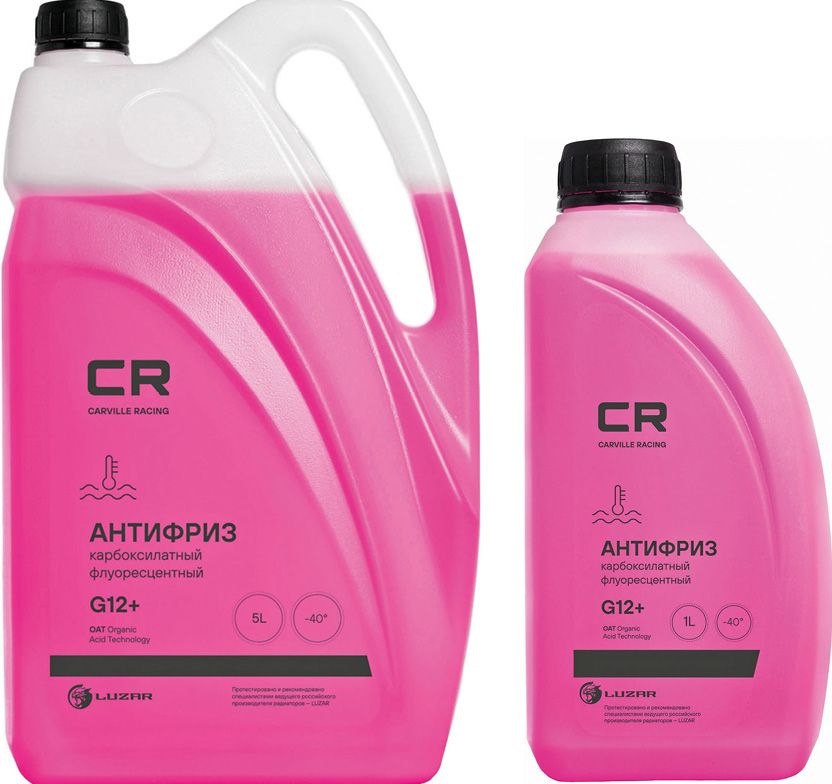
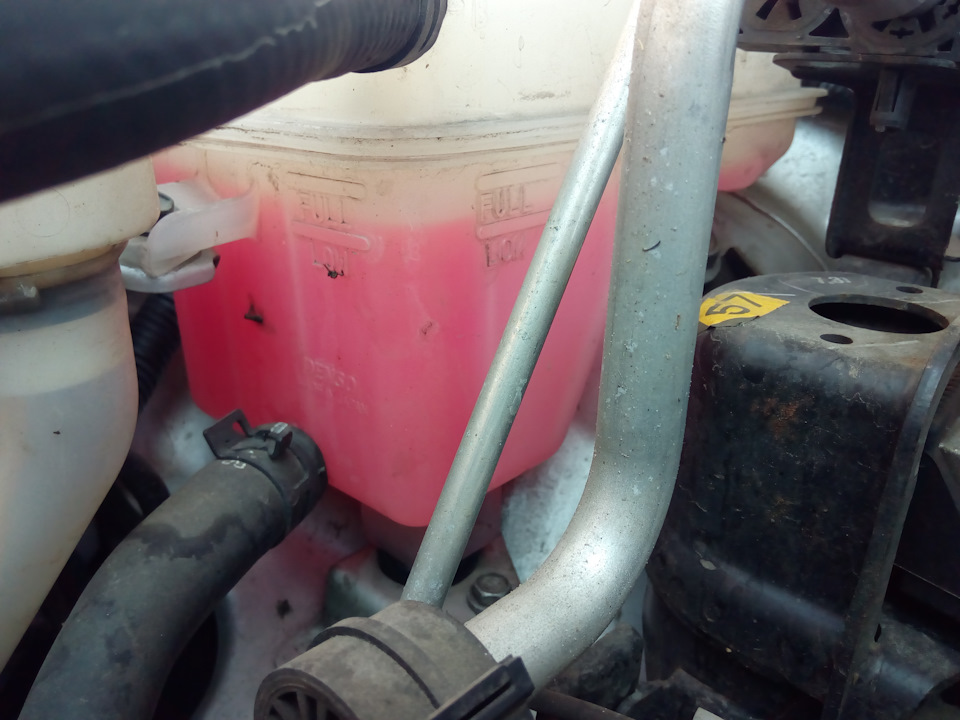
- Pink Coolant: This newer formulation is often used in more recent Toyota models. The pink color makes it distinguishable from the red, allowing for easier identification during maintenance.
Both coolants are designed to be visually distinct, which is helpful when you’re checking levels or performing a flush.
Interior and Comfort
While coolant itself does not directly impact the comfort of your vehicle, it plays a crucial role in maintaining the overall health of your engine, which indirectly affects your driving experience.
- Red Coolant: Often associated with older models, red coolant has been known to provide adequate protection against corrosion and overheating. However, in some cases, it may require more frequent changes to maintain optimal performance.
- Pink Coolant: Designed for newer models, pink coolant typically offers better longevity and protection against corrosion. This means less frequent maintenance, allowing you to focus on enjoying your ride rather than worrying about coolant levels.
In terms of comfort, knowing that your engine is well-protected can give you peace of mind, allowing you to enjoy your drive without unexpected overheating issues.
Performance
Performance is where the differences between red and pink coolant become more pronounced.
- Red Coolant: While effective, red coolant may not perform as well under extreme conditions. It can break down faster in high-temperature environments, potentially leading to overheating.
- Pink Coolant: This formulation is engineered for better thermal stability and can handle a wider range of temperatures. It provides superior heat transfer and reduces the risk of engine overheating, making it a better choice for performance-oriented drivers.
If you are someone who pushes your vehicle to its limits, pink coolant may be the better option for ensuring consistent performance.
Safety Features
Safety is paramount when it comes to vehicle maintenance, and coolant plays a crucial role in preventing engine failures that could lead to dangerous situations.
- Red Coolant: While it does offer basic protection against overheating, its effectiveness can diminish over time, especially if not changed regularly. This can lead to potential engine failures, which could pose safety risks.
- Pink Coolant: Offers enhanced protection against corrosion and overheating, which can significantly reduce the likelihood of engine failure. Its long-lasting properties mean you can drive with confidence, knowing that your engine is well-protected.
In terms of safety, the choice of coolant can make a significant difference in how your vehicle performs under stress.
Technology
The technology behind the coolant formulations is another critical factor to consider.
- Red Coolant: This traditional formulation has been around for a while and is effective but lacks some of the advanced properties found in newer coolants.
- Pink Coolant: Incorporates advanced technology designed to provide better protection and performance. It often includes additives that enhance its longevity and effectiveness, making it a more modern choice.
In a world where automotive technology is constantly evolving, opting for pink coolant aligns with the latest advancements, ensuring your vehicle remains at the forefront of performance and reliability.
By comparing these key categories, it’s clear that both Toyota red and pink coolant have their strengths and weaknesses. Understanding these differences can help you make an informed decision that best suits your vehicle’s needs.
Toyota Red vs Pink Coolant: Key Categories Explored
When it comes to choosing between Toyota’s red and pink coolant, understanding their performance in terms of reliability, user reviews, ownership costs, and resale value can help you make a well-informed decision. Let’s dive into these crucial categories.
Reliability and User Reviews
Reliability is a significant factor for any vehicle owner, and coolant is no exception. The experiences of other users can provide valuable insights into which coolant may be the better choice for your Toyota.
Toyota Red Coolant
- Long-standing Reputation: Red coolant has been around for many years and has a proven track record in older Toyota models.
- Mixed Reviews: While many users report satisfactory performance, some have noted that it may require more frequent changes to maintain its effectiveness.
- Corrosion Protection: Users appreciate its ability to protect against corrosion, but some have experienced issues with overheating in extreme conditions.
Toyota Pink Coolant
- Modern Formulation: Pink coolant is designed for newer Toyota models and has received positive feedback for its advanced properties.
- High Reliability: Many users report fewer issues with overheating and longer intervals between coolant changes compared to red coolant.
- Positive User Experiences: Reviews often highlight its effectiveness in maintaining engine temperature and overall reliability.
Ownership Costs
Understanding the ownership costs associated with each coolant can also influence your decision. Here’s a breakdown of what to expect.
| Category | Toyota Red Coolant | Toyota Pink Coolant |
|---|---|---|
| Initial Cost | Generally lower | Typically higher |
| Change Frequency | More frequent changes required | Less frequent changes |
| Maintenance Costs | Potentially higher due to frequent changes | Lower maintenance costs over time |
As seen in the table, while red coolant may have a lower initial cost, the need for more frequent changes can lead to higher long-term ownership costs. In contrast, pink coolant, while more expensive upfront, often results in lower maintenance costs due to its longevity.
Resale Value
The choice of coolant can also impact your vehicle’s resale value. Here’s how red and pink coolant stack up in this area.
Toyota Red Coolant
- Older Models: Red coolant is often associated with older Toyota models, which may not hold their value as well as newer vehicles.
- Market Perception: Some buyers may view vehicles using red coolant as less reliable due to the need for more frequent maintenance.
Toyota Pink Coolant
- Newer Models: Vehicles using pink coolant are generally newer and may attract buyers looking for modern reliability.
- Positive Impression: The advanced technology associated with pink coolant can enhance the vehicle’s perceived value, making it more appealing to potential buyers.
In summary, while both coolants serve their purpose, their impact on reliability, ownership costs, and resale value can differ significantly. Understanding these factors can help you make a more informed choice for your Toyota.
Facts About Toyota Red vs Pink Coolant
Understanding the differences between Toyota red and pink coolant can help you make an informed decision based on factual data and insights from authoritative sources. Here are some important facts to consider.
Composition and Formulation
Toyota Red Coolant
– Typically based on ethylene glycol and includes traditional corrosion inhibitors.
– Designed for older Toyota models, primarily those manufactured before 2010.
– May require more frequent changes, generally every two years or 30,000 miles, depending on driving conditions.
Toyota Pink Coolant
– Formulated with advanced organic acid technology (OAT) for better thermal stability and corrosion protection.
– Recommended for newer Toyota models, particularly those produced after 2010.
– Has a longer lifespan, often lasting up to five years or 100,000 miles before needing replacement.
Performance and Reliability
Toyota Red Coolant
– Effective in preventing overheating but may break down faster in extreme conditions.
– Users report mixed experiences, with some noting issues related to overheating and corrosion over time.
Toyota Pink Coolant
– Offers superior heat transfer and lower risk of engine overheating.
– Generally receives positive reviews for reliability and performance, especially under high-stress conditions.
Cost Considerations
Toyota Red Coolant
– Initial purchase price is typically lower than pink coolant.
– Higher long-term maintenance costs due to more frequent changes can offset the initial savings.
Toyota Pink Coolant
– Higher upfront cost but lower maintenance costs over time due to its longevity.
– Considered a better investment for those planning to keep their vehicle for an extended period.
Buyer Suitability
Based on the facts presented, here’s a summary of which coolant suits which type of buyer:
| Buyer Type | Toyota Red Coolant | Toyota Pink Coolant |
|---|---|---|
| Budget-Conscious Owners | Lower initial cost but higher long-term maintenance | Higher upfront cost but better investment over time |
| Owners of Older Models | Best suited for older Toyota vehicles | Not recommended; may not be compatible |
| Long-Term Vehicle Keepers | Frequent changes may be a hassle | Ideal for those looking for longevity and reliability |
| Performance-Oriented Drivers | May experience overheating issues | Better suited for high-performance demands |
These facts and insights can guide you in making a choice that aligns with your vehicle’s needs and your personal preferences.