
Nissan Value Advantage vs OEM: Understanding Your Options
When it comes to choosing a vehicle, many drivers find themselves navigating the crowded landscape of compact SUVs, sedans, and electric vehicles. Each segment has its own appeal, but the real dilemma often lies in deciding between Nissan’s value advantage and the original equipment manufacturer (OEM) parts. For the average car owner, this decision can feel overwhelming. You might be a budget-conscious buyer looking for reliability without breaking the bank, a family person needing a spacious ride with safety features, or an eco-conscious driver eager to embrace electric mobility.
The Buyer’s Dilemma
As you stand at the crossroads of Nissan and OEM, several factors come into play.
Budget Constraints
Let’s face it: money talks. If you’re on a tight budget, the cost of parts and repairs can be a significant factor. Nissan often positions itself as a more affordable alternative, offering good value for your hard-earned cash. On the other hand, OEM parts can be pricier, but they promise quality and longevity. The question is, are you willing to pay more upfront for peace of mind?
Family Needs
Family considerations can’t be ignored either. If you’re carting kids around, you’ll want a vehicle that’s not just reliable but also spacious and safe. Nissan vehicles often come equipped with family-friendly features, making them a popular choice among parents. But when it comes to OEM parts, you might be tempted to go for the gold standard, thinking they’ll ensure your family’s safety. The challenge lies in balancing cost with the features that matter most to your loved ones.
Driving Conditions
Lastly, consider your driving conditions. If you live in a region with harsh weather or rugged terrain, the durability of your vehicle and its parts becomes crucial. Nissan’s value advantage often shines here, as their vehicles are designed to handle various conditions without costing a fortune in repairs. However, if you opt for OEM, you might be investing in parts that are specifically engineered for your vehicle, which can be a double-edged sword in terms of cost and performance.
In this complex landscape, understanding the Nissan value advantage versus OEM is essential for making an informed decision. Whether you prioritize budget, family needs, or driving conditions, knowing what each option brings to the table can help you steer clear of buyer’s remorse.
Comparing Nissan Value Advantage vs OEM
When it comes to making a choice between Nissan’s value advantage and original equipment manufacturer (OEM) parts, it’s essential to dissect the differences across several key categories. Each aspect can significantly impact your ownership experience, from how your vehicle looks to how it performs on the road. Below, we break down the comparison across exterior design, interior and comfort, performance, safety features, and technology.
Exterior Design
The first thing that catches your eye is the exterior design.
- Nissan Value Advantage: Known for its sleek and modern aesthetic, Nissan vehicles often feature bold lines and a distinctive grille. The design tends to appeal to a younger demographic, making it a popular choice among those who want style without sacrificing functionality.
- OEM Parts: When it comes to OEM parts, the focus is on maintaining the original look and feel of your vehicle. If you’re replacing a bumper or fender, OEM parts will ensure that the fit and finish match perfectly, preserving the vehicle’s original design. However, they might lack the flair that comes with Nissan’s newer models.
Interior and Comfort
Next up is the interior and comfort, which can make or break your driving experience.
- Nissan Value Advantage: Nissan vehicles often come equipped with spacious interiors and comfortable seating. The materials used may not always be top-of-the-line, but they offer a good balance between comfort and durability. Features like ample legroom and user-friendly layouts cater to families and commuters alike.
- OEM Parts: When replacing interior components, OEM parts ensure that you maintain the same quality and comfort level as the original. This is particularly important for items like seats, dashboards, and trim pieces, which can significantly affect your overall driving experience. However, if you’re looking for upgrades or enhancements, OEM parts may not always offer the latest advancements in comfort.
Performance
Performance is a critical category that can influence your daily driving experience.
- Nissan Value Advantage: Nissan vehicles are generally designed for a balanced performance, offering a smooth ride and decent handling. They often come with efficient engines that provide good fuel economy without sacrificing power. This makes them suitable for both city driving and highway cruising.
- OEM Parts: When it comes to performance, OEM parts are designed to meet the original specifications of your vehicle. This means that if you need to replace components like brakes or suspension parts, you can expect the same level of performance as when the car was new. However, for those looking to enhance performance, aftermarket options might offer more aggressive tuning and features.
Safety Features
Safety is non-negotiable for most car owners, and both options have their strengths.
- Nissan Value Advantage: Nissan places a strong emphasis on safety, often equipping their vehicles with advanced safety features such as automatic emergency braking, lane departure warning, and blind-spot monitoring. These features enhance the overall driving experience and provide peace of mind for families.
- OEM Parts: When it comes to safety, OEM parts are engineered to meet or exceed the safety standards set by the manufacturer. Replacing safety-related components with OEM ensures that you maintain the integrity of your vehicle’s safety systems. However, if you’re looking to upgrade safety features, you might find that aftermarket options offer more innovative solutions.
Technology
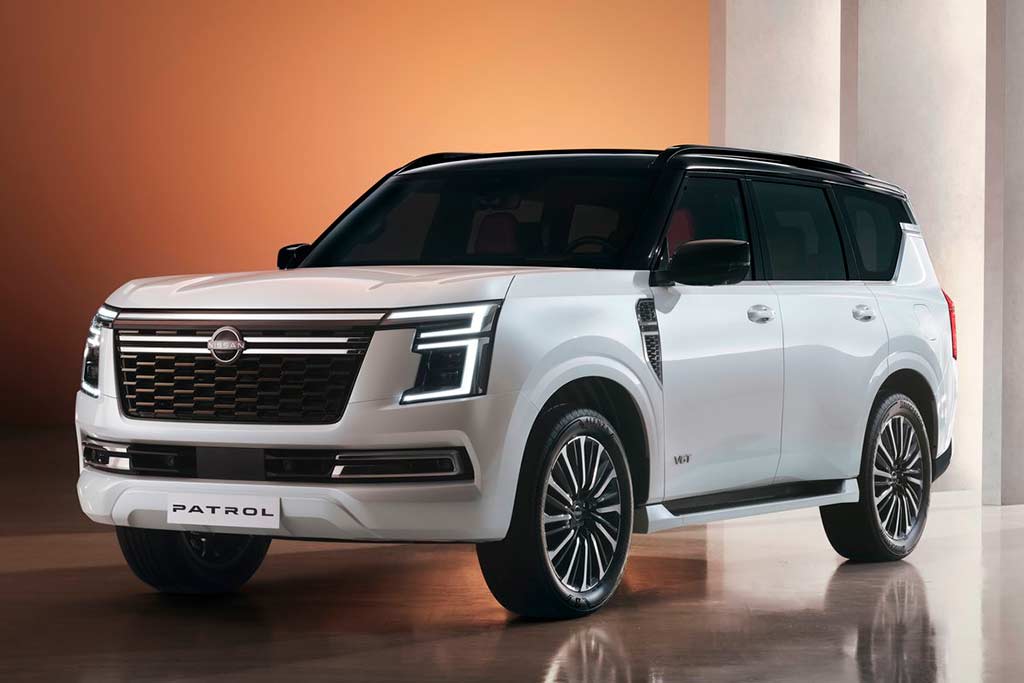
Last but not least, technology plays a significant role in modern vehicles.
- Nissan Value Advantage: Nissan vehicles often come equipped with user-friendly infotainment systems, smartphone integration, and advanced navigation options. They tend to focus on providing a seamless driving experience with features that are easy to use and accessible.
- OEM Parts: When it comes to technology, OEM parts will typically match the original tech features of your vehicle. If you need to replace a component like a radio or navigation system, OEM ensures compatibility. However, if you want the latest tech features, you may need to look at aftermarket solutions, as OEM parts may lag behind in innovation.
In summary, both Nissan’s value advantage and OEM parts have their unique selling points. Understanding these differences can help you make an informed decision that aligns with your needs and preferences.
Nissan Value Advantage vs OEM: Reliability, Ownership Costs, and Resale Value
When evaluating Nissan’s value advantage against original equipment manufacturer (OEM) parts, two critical areas come into play: reliability and user reviews, as well as ownership costs and resale value. These factors can significantly affect your overall experience as a vehicle owner, influencing everything from day-to-day dependability to long-term financial implications.
Reliability and User Reviews
Reliability is often the first thing car owners consider when making a purchase.
Nissan Value Advantage
Nissan vehicles are generally known for their reliability. Many owners report that their cars run smoothly for years with minimal issues. Here are some points to consider:
- Nissan models often receive positive reviews for their long-lasting engines and dependable performance.
- Common user feedback highlights the ease of maintenance and the availability of parts, which can be a significant advantage for DIY enthusiasts.
- Many Nissan owners appreciate the brand’s commitment to customer service, which can enhance the ownership experience.
OEM Parts
When it comes to OEM parts, reliability is a strong selling point.
- OEM parts are designed to meet the original specifications of your vehicle, which can lead to consistent performance and reliability.
- Many users report that using OEM parts helps maintain the integrity of their vehicle, reducing the likelihood of unexpected breakdowns.
- However, some owners may find that OEM parts can be more expensive, leading to mixed reviews regarding value for money.
Ownership Costs
Understanding ownership costs is crucial for any vehicle owner.
Nissan Value Advantage
Nissan vehicles tend to offer lower ownership costs compared to many competitors.
- Fuel efficiency is often a highlight, allowing owners to save at the pump over time.
- Routine maintenance costs are generally reasonable, making it easier for budget-conscious owners to keep their vehicles in good shape.
- Insurance premiums for Nissan vehicles are often competitive, providing further savings in the long run.
OEM Parts
While OEM parts can ensure quality, they often come with higher ownership costs.
- The initial investment in OEM parts can be steep, which might deter some owners from choosing them for repairs.
- However, the longevity and reliability of OEM parts may offset these costs over time, as they can reduce the frequency of repairs.
- In some cases, using OEM parts can help maintain warranty coverage, which can be a financial lifesaver for owners.
Resale Value
Resale value is another critical factor that can influence your decision-making process.
Nissan Value Advantage
Nissan vehicles often hold their value well in the used car market.
- Many Nissan models are known for their durability, which can attract buyers looking for reliable used vehicles.
- Positive user reviews and brand reputation can contribute to a higher resale value compared to less reliable brands.
- Special editions and popular models tend to retain their value better, making them a smart investment for owners.
OEM Parts
Using OEM parts can also impact resale value positively.
- Vehicles that have been maintained with OEM parts often command higher resale prices, as buyers appreciate the assurance of quality.
- Documentation of using OEM parts can serve as proof of proper maintenance, which can be a selling point for potential buyers.
- However, if the vehicle has been heavily modified with aftermarket parts, it may deter some buyers, affecting resale value negatively.
Comparison Table
| Category | Nissan Value Advantage | OEM Parts |
|---|---|---|
| Reliability | Generally dependable with positive user reviews | High reliability, designed to meet original specifications |
| Ownership Costs | Lower fuel and maintenance costs | Higher initial costs, but potential long-term savings |
| Resale Value | Good resale value due to durability and reputation | Can enhance resale value if documented and maintained |
In this comparison, both Nissan’s value advantage and OEM parts offer distinct benefits and drawbacks. By understanding these factors, you can make a more informed decision that aligns with your needs as a vehicle owner.
Facts About Nissan Value Advantage vs OEM

When considering Nissan’s value advantage versus OEM parts, it’s essential to look at some factual data and insights that can guide potential buyers. Understanding these facts can help clarify which option suits different types of buyers.
Reliability Ratings
Nissan vehicles generally receive favorable reliability ratings. According to J.D. Power’s 2023 U.S. Vehicle Dependability Study, Nissan ranks above the industry average in terms of dependability. This suggests that buyers looking for a reliable vehicle may find Nissan a solid choice.
OEM parts also receive high reliability ratings due to their adherence to original specifications. A study by Consumer Reports indicates that vehicles maintained with OEM parts tend to have fewer issues over time, making them ideal for owners who prioritize longevity.
Ownership Costs
Statistical data from AAA shows that the average annual cost of owning a new vehicle in the U.S. is approximately $9,666, which includes expenses like fuel, maintenance, and insurance. Nissan vehicles often fall below this average, particularly in terms of fuel efficiency and maintenance costs. This makes them a suitable option for budget-conscious buyers.
On the other hand, OEM parts can be more expensive upfront but may save money in the long run due to their durability. According to a report from the Automotive Aftermarket Industry Association, using OEM parts can reduce the frequency of repairs, which can be a significant cost-saving factor for long-term owners.
Resale Value
According to Kelley Blue Book, Nissan vehicles tend to retain their value well, with models like the Nissan Rogue and Altima being recognized for their strong resale value. This makes them attractive to buyers who plan to sell or trade in their vehicle in the future.
In contrast, vehicles that have been maintained with OEM parts often see a boost in resale value. A survey by Edmunds found that buyers are willing to pay more for used vehicles with documented maintenance history using OEM parts, as they provide assurance of quality and reliability.
Target Buyers
Understanding which model suits which type of buyer can help you make an informed decision.
Nissan Value Advantage is ideal for:
– Budget-conscious buyers looking for reliable and affordable vehicles.
– Families needing spacious interiors and user-friendly features.
– Eco-conscious drivers seeking fuel-efficient models.
OEM Parts are more suitable for:
– Owners who prioritize maintaining the original quality and performance of their vehicle.
– Individuals who plan to keep their vehicle for an extended period and want to minimize repair costs.
– Buyers looking to enhance resale value through documented maintenance with high-quality parts.
Comparison Table
| Category | Nissan Value Advantage | OEM Parts |
|---|---|---|
| Reliability Ratings | Above industry average (J.D. Power) | High reliability (Consumer Reports) |
| Ownership Costs | Below average annual costs (AAA) | Higher upfront costs, potential long-term savings (Automotive Aftermarket Industry Association) |
| Resale Value | Strong resale value (Kelley Blue Book) | Boosted resale value with documented maintenance (Edmunds) |
These facts provide a clearer picture of the advantages and considerations of choosing Nissan’s value advantage versus OEM parts, helping potential buyers align their choices with their specific needs and preferences.