
Chevy 6.6 Gas vs Ford 7.3 Gas: A Battle of Heavyweights
When it comes to heavy-duty trucks, the Chevy 6.6 gas and Ford 7.3 gas engines are two titans that dominate the market. These beasts belong to the full-size truck segment, catering to those who need serious power for towing, hauling, or just getting the job done. Whether you’re a contractor hauling tools to a job site, a weekend warrior towing your boat to the lake, or a family man needing a reliable vehicle for road trips, the choice between these two engines can feel like a heavyweight bout.
The dilemma for buyers often boils down to budget, family needs, and driving conditions. On one hand, you have the Chevy 6.6 gas, known for its smooth ride and comfortable interior, making it a solid choice for families who prioritize comfort alongside capability. On the other hand, the Ford 7.3 gas engine is often praised for its raw power and reliability, appealing to those who need a workhorse that can handle tough conditions without breaking a sweat.
For many buyers, the decision isn’t just about which engine is more powerful; it’s about how each truck fits into their lifestyle. Do you need a truck that can double as a family vehicle, or is your primary concern towing capacity? Are you frequently driving in rugged terrains, or do you mostly stick to city roads? These questions can complicate the decision-making process.
Moreover, the price point is a significant factor. Both options can be a considerable investment, and potential buyers often find themselves weighing the upfront costs against long-term reliability and maintenance expenses. Fuel efficiency also comes into play, especially for those who plan to use their truck daily.
Ultimately, the choice between the Chevy 6.6 gas and Ford 7.3 gas boils down to personal preference and specific needs. Each engine has its strengths and weaknesses, and understanding what you truly require from your vehicle can help you make the right decision.
Comparing Chevy 6.6 Gas vs Ford 7.3 Gas
When it comes to choosing between the Chevy 6.6 gas and the Ford 7.3 gas, there are several key categories to consider. Each truck has its own strengths and weaknesses in terms of exterior design, interior comfort, performance, safety features, and technology. Let’s break it down.
Exterior Design
The exterior design of a truck often sets the tone for its overall appeal. Here’s how the Chevy 6.6 gas and Ford 7.3 gas stack up:
- Chevy 6.6 Gas:
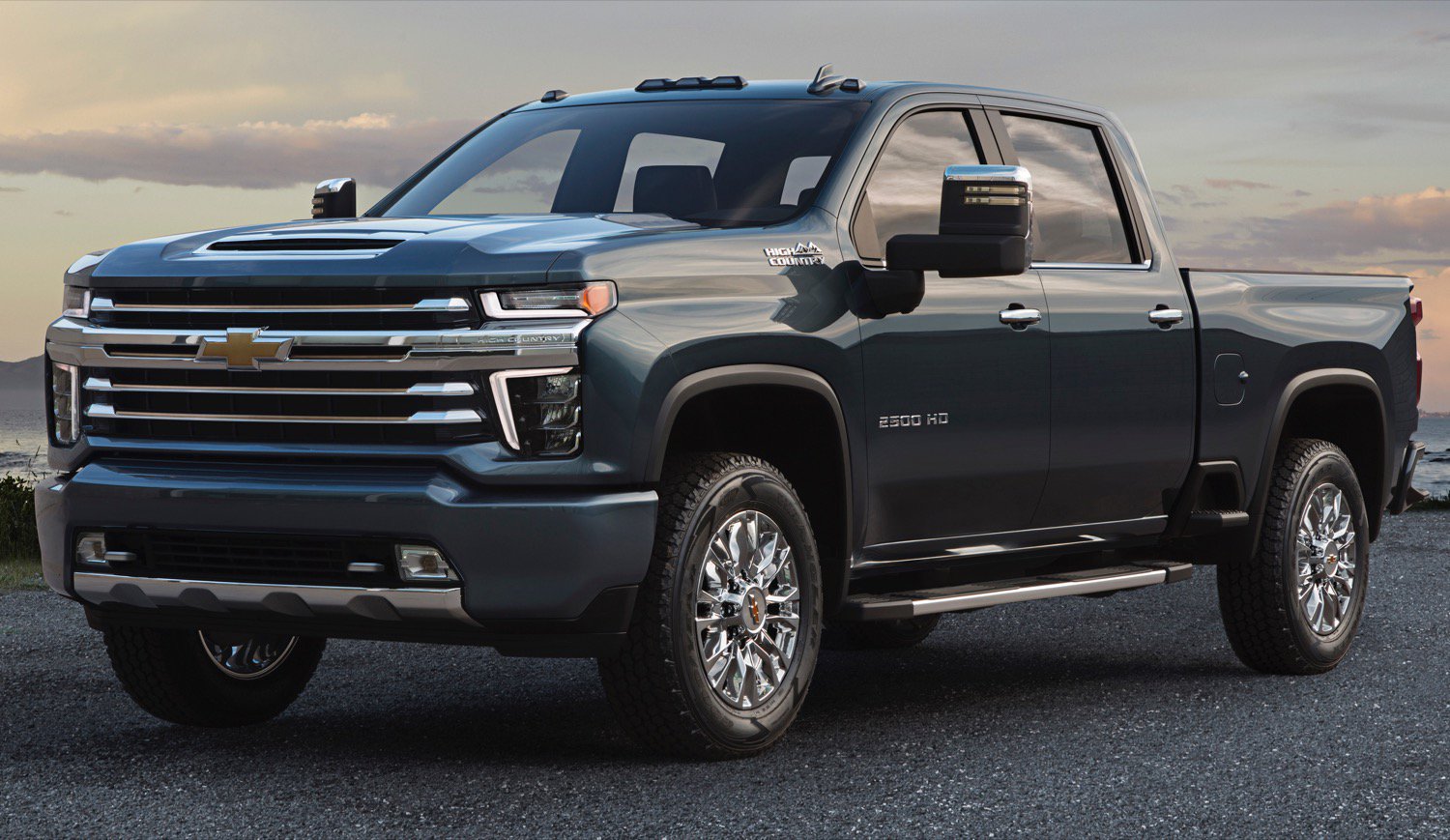
- Bold and aggressive front grille that gives it a commanding presence on the road.
- Sleek lines and a modern aesthetic that appeals to a wide range of buyers.
- Available in various trims, allowing for customization in appearance.
- Ford 7.3 Gas:
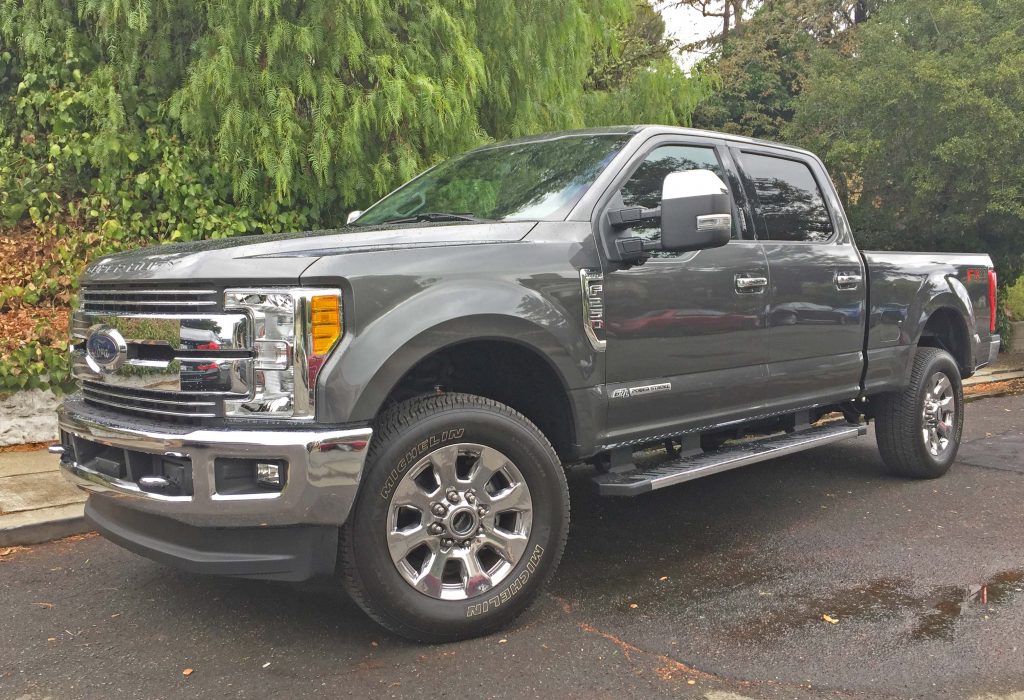
- Classic Ford styling with a more rugged and muscular look.
- Prominent headlights and a robust bumper design that enhances its toughness.
- Multiple color options and trim levels to cater to different tastes.
Interior and Comfort
Interior comfort is crucial, especially for long drives or daily commutes. Here’s how the interiors compare:
- Chevy 6.6 Gas:
- Spacious cabin with high-quality materials that provide a premium feel.
- Ergonomically designed seats that offer great support for long journeys.
- Intuitive layout of controls and infotainment system, making it user-friendly.
- Ford 7.3 Gas:
- Roomy interior with a focus on functionality and durability.
- Comfortable seating, though some may find it less plush compared to Chevy.
- Practical storage solutions throughout the cabin for tools and personal items.
Performance
Performance is often the deciding factor for truck buyers. Let’s see how these two engines perform:
- Chevy 6.6 Gas:
- Known for a smooth ride, making it suitable for both work and leisure.
- Offers solid towing capabilities, ideal for hauling trailers and heavy loads.
- Responsive acceleration, providing a satisfying driving experience.
- Ford 7.3 Gas:
- Renowned for its power and torque, making it a favorite among heavy-duty users.
- Exceptional towing capacity, often leading the class in performance metrics.
- Engine performance is robust, especially when loaded down with cargo.
Safety Features
Safety is paramount when choosing a truck. Here’s how the safety features compare:
- Chevy 6.6 Gas:
- Comes equipped with advanced safety features like lane departure warning and forward collision alert.
- High-strength steel frame enhances crash protection.
- Available rearview camera and parking assist options for easier maneuvering.
- Ford 7.3 Gas:
- Offers Ford Co-Pilot360, a suite of driver-assistance technologies.
- Robust safety ratings, thanks to its solid construction and advanced airbags.
- Blind-spot monitoring and adaptive cruise control available for added safety.
Technology
In today’s world, technology plays a significant role in the driving experience. Here’s how these two trucks compare:
- Chevy 6.6 Gas:
- Infotainment system featuring a user-friendly touchscreen interface.
- Apple CarPlay and Android Auto compatibility for seamless smartphone integration.
- Available Wi-Fi hotspot option for staying connected on the go.
- Ford 7.3 Gas:
- Ford SYNC infotainment system, known for its intuitive controls and responsiveness.
- Smartphone integration with Apple CarPlay and Android Auto is standard.
- Available navigation system with real-time traffic updates for easier route planning.
Chevy 6.6 Gas vs Ford 7.3 Gas: Reliability, Ownership Costs, and Resale Value
When it comes to heavy-duty trucks like the Chevy 6.6 gas and Ford 7.3 gas, reliability, ownership costs, and resale value are critical factors for potential buyers. Let’s dive into these categories to help you make an informed decision.
Reliability and User Reviews
Reliability is a major concern for truck owners, especially those who depend on their vehicles for work or daily use. Here’s how the Chevy 6.6 gas and Ford 7.3 gas compare in terms of reliability and what users are saying:
Chevy 6.6 Gas
- Generally praised for its dependable performance and durability over time.
- Many users report minimal issues even after years of heavy use, making it a solid choice for long-term ownership.
- Commonly noted for smooth operation and fewer mechanical problems, contributing to its reliability reputation.
Ford 7.3 Gas
- Renowned for its robust build quality and longevity, often seen as a workhorse.
- User reviews frequently highlight the engine’s ability to handle heavy loads without faltering.
- While some users have reported minor issues, the overall consensus is that it is a reliable choice for demanding tasks.
Ownership Costs
Understanding the ownership costs associated with each truck can help you budget effectively. Here’s a breakdown of what to expect:
| Category | Chevy 6.6 Gas | Ford 7.3 Gas |
|---|---|---|
| Fuel Economy | Generally competitive, but varies based on driving habits and load. | Similar fuel economy, often slightly lower under heavy loads. |
| Maintenance Costs | Typically lower maintenance costs due to fewer reported issues. | May have higher costs for parts, but overall reliability offsets this. |
| Insurance Rates | Moderate insurance rates, depending on trim and features. | Insurance rates can be slightly higher due to its workhorse reputation. |
Resale Value
Resale value is an important consideration, especially if you plan to upgrade in the future. Here’s how the two trucks fare:
Chevy 6.6 Gas
- Tends to hold its value well, with strong demand in the used truck market.
- Buyers often appreciate the reliability and comfort, which helps maintain resale value.
- Trucks in good condition can command a premium price when sold.
Ford 7.3 Gas
- Also retains value effectively, particularly among those who need heavy-duty performance.
- Strong brand loyalty often translates to higher resale prices.
- Trucks that have been well-maintained can see excellent returns in the resale market.
Facts About Chevy 6.6 Gas vs Ford 7.3 Gas
When comparing the Chevy 6.6 gas and Ford 7.3 gas, several key facts and statistics can help potential buyers make an informed choice. Here are some insights based on authoritative sources and industry data.
Performance Metrics
The performance of each engine plays a crucial role in determining which truck is better suited for specific needs.
Chevy 6.6 Gas
– Known for its smooth acceleration and responsive handling, making it suitable for both city driving and highway cruising.
– Capable of towing up to approximately 10,000 to 12,000 pounds, depending on the configuration, making it a solid choice for light to moderate towing needs.
Ford 7.3 Gas
– Offers higher torque ratings, often exceeding 400 lb-ft, which aids in heavy towing and hauling.
– Can tow up to around 14,000 pounds, making it ideal for those who regularly transport heavy trailers or equipment.
Fuel Economy
Fuel efficiency is a significant consideration for truck owners, especially for those who drive frequently.
Chevy 6.6 Gas
– Typically achieves around 14-16 miles per gallon in combined driving conditions, depending on load and driving habits.
– Generally considered efficient for a heavy-duty truck, appealing to buyers focused on fuel savings.
Ford 7.3 Gas
– Often records similar fuel economy figures, around 13-15 miles per gallon, but can vary more under heavy loads.
– Buyers who prioritize towing capacity may accept slightly lower fuel efficiency in exchange for performance.
Ownership Costs and Resale Value
Understanding ownership costs and resale value can significantly influence the buying decision.
Chevy 6.6 Gas
– Lower maintenance costs reported due to fewer mechanical issues, which can save money over time.
– Resale values tend to be strong, often retaining around 60-70% of their original value after five years.
Ford 7.3 Gas
– Maintenance costs can be higher due to the need for more frequent service under heavy use, but this is often offset by reliability.
– Resale values are also robust, with many models retaining around 65-75% of their original value after five years.
Ideal Buyer Profiles
Understanding which model suits which type of buyer can help narrow down the options.
Chevy 6.6 Gas
– Best suited for families or individuals who need a reliable truck for daily use and occasional towing.
– Ideal for those who prioritize comfort, ride quality, and lower ownership costs.
Ford 7.3 Gas
– Perfect for buyers who require a heavy-duty truck for frequent towing and hauling of substantial loads.
– Appeals to those who value raw power and performance over fuel efficiency and are willing to invest in maintenance for reliability.
| Category | Chevy 6.6 Gas | Ford 7.3 Gas |
|---|---|---|
| Towing Capacity | 10,000 – 12,000 pounds | Up to 14,000 pounds |
| Fuel Economy | 14-16 MPG combined | 13-15 MPG combined |
| Maintenance Costs | Generally lower | Can be higher |
| Resale Value (5 years) | 60-70% of original value | 65-75% of original value |
Hello. I was curious if you could update this with current data. Both towing numbers are far off. No curb weight comparison, no payload, no hitch weights. Example-6.6 HD 2500 Custom 4×4 w/Standard bed CSM fifth wheel tow 18,400. Payload can vary but generally 2,760lbs, bumper towing is still thousands of pounds off from your numbers. Max bumper weight is 1600lbs and max tow 16,000lbs. I just feel if you’re going to go that in depth, perhaps start with half of the comparison having accurate numbers in order to make a positive assessment for your readers.